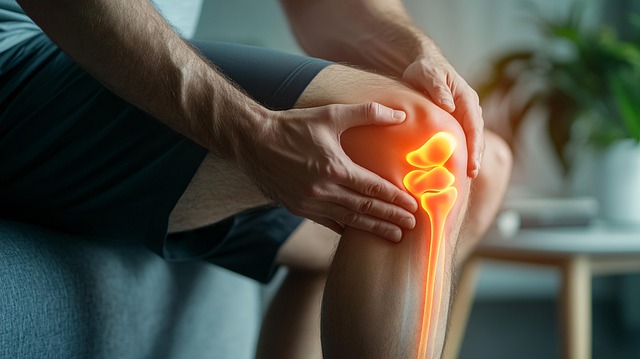

🦴 Herbs for Joint Wellness (Ayurveda & Unani Traditional Support)
Traditional herbs have played a significant role in supporting joint comfort and mobility for thousands of years in both Ayurveda and Unani medicine. In Ayurveda, medicinal herbs are known as Aushadhi (औषधि), while in Unani they are called Advia (أدوية). Rather than offering instant relief, these herbs are traditionally used to promote the body’s natural balance and support long-term musculoskeletal wellness. According to Ayurvedic principles, healthy joint movement depends largely on the proper balance of Vata Dosha, whereas Unani medicine associates joint health with a balanced Mizaj (temperament) and the harmony of the Akhlat (four humors). When these natural systems become disturbed, traditional texts describe that stiffness, reduced flexibility, and discomfort may gradually develop. For this reason, classical Ayurvedic and Unani practitioners have historically recommended carefully selected herbs as part of a holistic lifestyle that also includes a balanced diet,traditional methods of use, and important safety considerations. Whether your goal is to support flexibility, maintain comfortable movement, or simply learn about traditional herbal wisdom, this article provides a reliable and informative starting point.
Table of Contents
Traditional Herbs for Joint Wellness
For generations, traditional herbs have been considered nature’s valuable gifts for joint wellness for maintaining strength, balance, and harmony within the body. Ayurveda and Unani medicine have preserved the wisdom of using these natural treasures to support comfortable movement and a healthy lifestyle. Each herb carries a unique traditional identity, with its own properties, temperament, and role in holistic wellness. From warming herbs that provide traditional comfort to nourishing botanicals that support body strength, these natural ingredients represent centuries of knowledge passed through generations. Let us explore these time-tested herbs and understand their traditional importance in supporting joint wellness.
🌿 1. Turmeric (Haridra / Haldi)
In Ayurveda, Haridra is considered a powerful herb with Ushna (warm) and Ruksha (dry balancing) properties. It is traditionally used to support internal balance and comfort in movement.
In Unani medicine, turmeric is valued for its Muzir-e-Safra balancing effect, meaning it helps support internal equilibrium
Traditionally used as:
- Warm milk (Haldi Doodh)
- Herbal decoctions
- Paste with oil for external application
🌿 2. Guggulu
Guggulu (गुग्गुलु) is a traditional Ayurvedic herbal substance obtained from the resin (gum resin) of the Mukul myrrh tree. In Ayurveda, it is known as Guggulu and is considered an important Aushadhi (औषधि) traditionally used for supporting joint comfort, healthy metabolism, and overall wellness.
Guggulu is one of the most important herbs in Ayurvedic joint care.
It is described in classical texts as a “Rasayana” herb, meaning rejuvenating in nature.
- Joint flexibility
- Tissue strengthening
- Natural balance of Vata
It is often combined with other herbs like turmeric and ginger in classical formulations
🌿 3. Ashwagandha
Ashwagandha (अश्वगंधा) is one of the most respected herbs in Ayurveda and is traditionally classified as a Rasayana (rejuvenating herb). It is derived from the root of the plant Withania somnifera, which has been used in Ayurvedic traditions for thousands of years to support strength, vitality, and overall wellness. The name Ashwagandha comes from Sanskrit, where “Ashwa” means horse and “Gandha” means smell, referring to the traditional belief that the herb provides strength and vitality similar to a horse.
- Muscle and bone strength
- Physical endurance
- General vitality
It is considered a restorative herb in long-term wellness routines.
🌿 4. Ginger (Shunthi / Zanjabeel)
Ginger (Shunthi / Zanjabeel) is a widely used medicinal spice that holds an important place in both Ayurveda and Unani medicine. In Ayurveda, dried ginger is known as Shunthi (शुण्ठी), while in Unani medicine it is called Zanjabeel (زنجبيل). It is obtained from the rhizome (underground stem) of the plant Zingiber officinale. Traditionally, Ginger is considered a warming herb and is valued for its ability to support digestion, circulation, and overall body comfort. In Ayurveda, Shunthi is associated with balancing Vata and Kapha Dosha and is traditionally used to support healthy digestion, reduce feelings of heaviness, and maintain comfortable movement.
Ginger is widely used in both Ayurveda and Unani systems
- Ushna (warming) property
- Supporting digestion
- Traditional role in reducing internal stiffness
Often used in:
- Herbal tea
- Decoctions
- Food seasoning
🌿 5. Shallaki (Boswellia)
Shallaki (Boswellia) is a highly valued Ayurvedic herb traditionally used for supporting joint comfort, flexibility, and mobility. It is obtained from the resin of the Boswellia serrata, a tree native to parts of India and other regions. In Ayurveda, Shallaki is known as Shallaki (शल्लकी) and has been used for centuries as part of traditional formulations for musculoskeletal wellness.The resin of Shallaki contains naturally occurring compounds called boswellic acids, which have been studied for their antioxidant and biological properties. Due to these natural constituents, Shallaki has gained interest in modern herbal research while continuing its traditional importance.
A classical Ayurvedic herb used in Sandhivata (joint-related conditions in traditional texts).
Traditionally valued for:
- Supporting smooth movement
- Maintaining joint comfort
- Reducing internal dryness
🧴 Traditional Oil Therapy (Abhyanga)
One of the most important practices in Ayurveda for joint wellness is Abhyanga, or warm oil massage.
In classical Ayurveda, Abhyanga is considered a Dinacharya (daily routine practice) that supports balance of Vata
🌿 How it is traditionally done
- Warm sesame oil (Til Taila) is used
- Gentle circular massage is applied on joints
- Focus areas include knees, shoulders, and lower back
- Usually done before bath
🌿 Traditional benefits (Ayurveda view)
- Supports lubrication (Snigdha effect)
- Helps maintain flexibility
- Promotes relaxation of tissues
- Reduces dryness caused by Vata imbalance
🌿 Unani perspective
In Unani practice, oil massage is part of Ilaj bil Tadbeer (regimental therapy) and is believed to:
- Improve local circulation
- Maintain warmth in tissues
- Support joint comfort
🍵 Diet for Joint Wellness (Traditional View)
Food is considered the foundation of joint health in both Ayurveda and Unani systems.
🌿 Recommended foods
- Warm cooked meals
- Ghee in moderate quantity
- Sesame seeds (Til)
- Ginger and black pepper
- Turmeric-based dishes
- Light soups and broths
🌿 Foods traditionally avoided
- Excess cold foods (ice water, cold drinks)
- Highly processed foods
- Excess dry snacks
- Irregular eating habits
🌿 Traditional principle
👉 “Warm, moist, and nourishing foods support joint balance”
🧘 Lifestyle Practices for Joint Wellness
Traditional systems strongly emphasize lifestyle balance.
🌿Gentle Movement
- Walking daily
- Light stretching
- Avoiding long inactivity
🌿 Seasonal Care
- Keep joints warm in winter
- Avoid cold exposure on joints
- Adjust diet with seasons
🌿Proper Rest
- Balanced sleep cycle
- Avoid overexertion
- Allow recovery time
❓ Frequently Asked Questions (FAQ)-herbs for joint wellness
1. What causes joint stiffness in Ayurveda?
It is traditionally linked to imbalance of Vata Dosha, especially dryness and irregular lifestyle.
2. Is turmeric good for joints?
Traditionally, turmeric is used in Ayurveda and Unani systems for internal balance and comfort support.
3. What is Abhyanga?
Abhyanga is a traditional oil massage practice using warm oils like sesame oil to support joint wellness.
4. Can walking help joints?
Yes, gentle movement is considered important in traditional systems for maintaining flexibility.
📘 Final Summary
In both Ayurveda and Unani medicine, joint wellness is not treated as a single isolated issue. Instead, it is understood as a result of
- Balanced internal energy (Vata / Mizaj)
- Proper nutrition and digestion
- Warmth and lubrication
- Regular movement
- Lifestyle discipline