
🌿Ajwain (Carom Seeds): Benefits, Uses, Nutrition, Traditional Ayurvedic & Unani Remedies, Dosage and Precautions
🌿Introduction
Ajwain, commonly known as Carom Seeds, is one of the most treasured medicinal spices used in traditional systems of medicine, particularly Ayurveda and Unani. Despite its tiny size, Ajwain has earned a remarkable reputation for its therapeutic properties and has been an integral part of Indian households for centuries. It is widely recognized not only as a flavorful culinary spice but also as a natural remedy traditionally used to support digestion, respiratory health, metabolism, and overall well-being. The distinctive aroma and strong, pungent taste of Ajwain are due to the presence of thymol, a naturally occurring compound that contributes to many of its traditional and scientifically studied properties.
Scientifically known as Trachyspermum ammi, Ajwain belongs to the Apiaceae family, which also includes cumin, fennel, coriander, parsley, and celery. Although its seeds resemble cumin or caraway, Ajwain has a much stronger aroma and a warm, slightly bitter taste that makes it unique. The plant is cultivated in several countries, including India, Pakistan, Iran, Afghanistan, Egypt, and parts of the Middle East. India is one of the largest producers and consumers of Ajwain, where it has been cultivated and used for generations.
Ajwain has been a part of traditional Indian kitchens for centuries. It is commonly added to parathas, puris, pakoras, biscuits, lentils, curries, pickles, and spice blends. Besides enhancing flavor, it has traditionally been used to improve the digestibility of foods, especially those that are heavy, oily, or difficult to digest. Many families also prepare Ajwain water or herbal tea after meals to promote digestive comfort.
In 🌿Ayurveda, Ajwain is regarded as a powerful digestive herb that helps stimulate Agni, the digestive fire responsible for converting food into nourishment. According to Ayurvedic philosophy, impaired digestion may lead to the accumulation of Ama (metabolic toxins), which is believed to disturb the body’s natural balance. Ajwain is traditionally used to kindle Agni, reduce excess Vata and Kapha doshas, relieve bloating and gas, support appetite, and promote healthy digestion. It is also included in many classical Ayurvedic formulations for respiratory wellness, joint comfort, and overall vitality.
In 🌿Unani medicine, Ajwain is known for its hot and dry temperament (Mizaj Haar Yabis). Classical Unani physicians have traditionally recommended Ajwain to strengthen the stomach, improve digestion, reduce flatulence, support respiratory health, and help maintain the body’s natural balance. It is commonly used in herbal preparations aimed at promoting digestive comfort and supporting healthy circulation and metabolism.
Modern nutritional science has also highlighted the value of Ajwain. The seeds contain dietary fiber, protein, healthy fats, essential minerals such as calcium, iron, magnesium, phosphorus, and potassium, along with naturally occurring antioxidants and volatile oils. Among these compounds, thymol has received particular scientific attention because of its antioxidant, antimicrobial, and anti-inflammatory properties. While research into these effects is ongoing, many traditional uses of Ajwain continue to be supported by centuries of practical experience.
Today, Ajwain is consumed in many forms, including whole seeds, roasted seeds, herbal tea, Ajwain water, powdered spice, and infused oil. People often include it in their daily routine to support digestive health, maintain a healthy metabolism, or simply enjoy its distinctive flavor in cooking. Traditional home remedies combining Ajwain with honey, ginger, jaggery, or warm water are still widely practiced across South Asia and the Middle East.
Although Ajwain has a long history of safe culinary use, it should be consumed in moderation. Herbal remedies may not be suitable for everyone, and excessive consumption can cause unwanted effects. Individuals who are pregnant, breastfeeding, taking prescription medications, or living with chronic health conditions should consult a qualified healthcare professional before using Ajwain medicinally.
In this comprehensive guide, you will learn everything about Ajwain, including its nutritional profile, traditional importance in Ayurveda and Unani medicine, health benefits, home remedies, culinary uses, recommended dosage, safety precautions, and answers to frequently asked questions. Whether you are new to Ajwain or already use it regularly, this article will help you understand how this remarkable spice can be incorporated into a healthy lifestyle.
🌿What is Ajwain ?
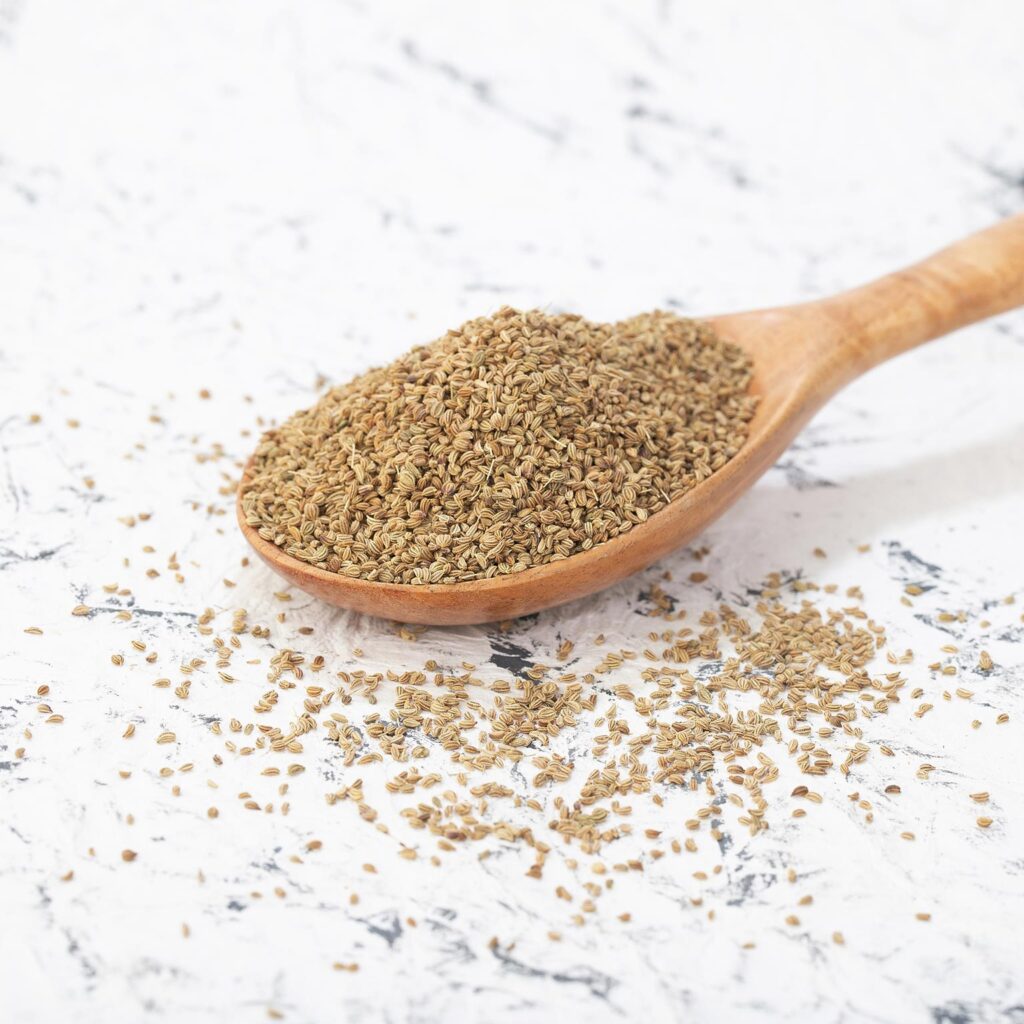
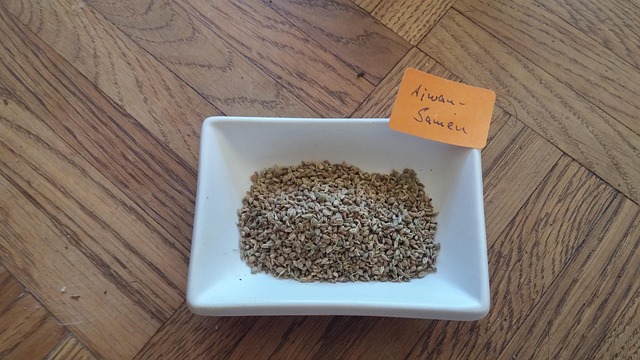
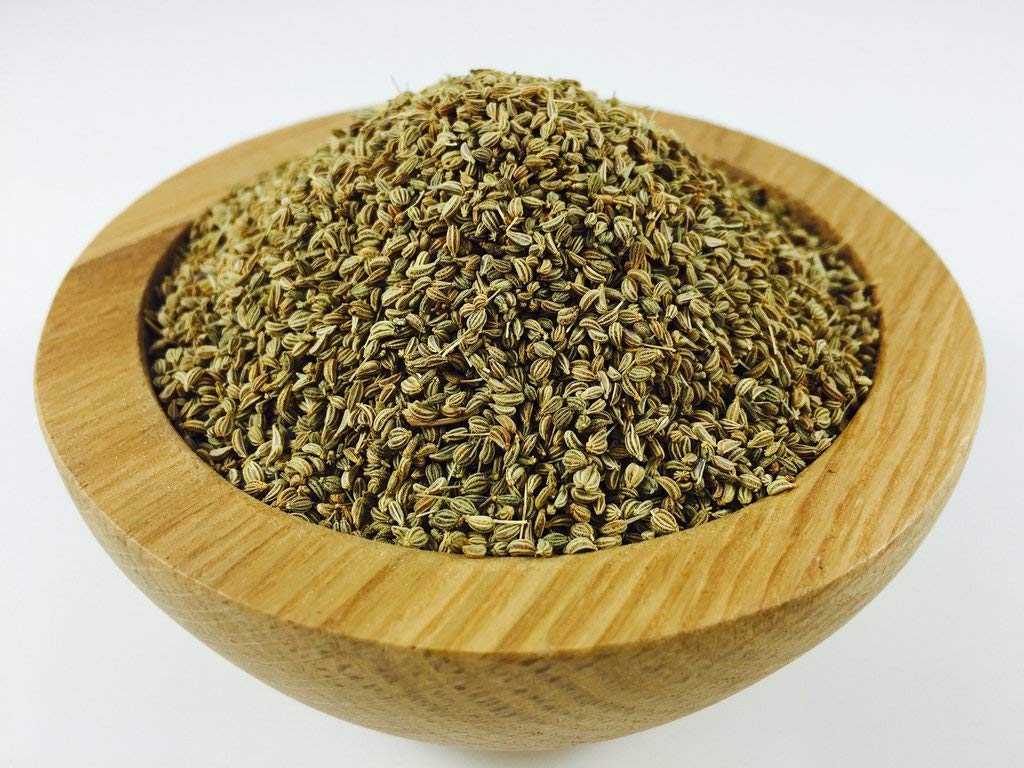
Ajwain, also called Carom Seeds, is the dried fruit of the plant Trachyspermum ammi. Although commonly referred to as a seed, each tiny oval structure is technically the dried fruit of the plant. It has a grayish-brown appearance with fine ridges and emits a strong aroma that resembles thyme because both contain the naturally occurring compound thymol.
Ajwain has been cultivated for thousands of years and is highly valued in the culinary and traditional medicinal practices of India, Pakistan, Iran, Afghanistan, Egypt, and neighboring regions. The plant grows best in warm climates with well-drained soil and generally reaches a height of 60–90 centimeters. Small white flowers appear during the flowering season before developing into the aromatic fruits that are harvested and dried.
The flavor of Ajwain is sharp, warm, slightly bitter, and intensely aromatic. Because of its strong taste, only a small quantity is usually required in cooking. It is widely used in breads, snacks, vegetable dishes, lentils, curries, spice blends, and pickles. Many traditional recipes include Ajwain not only for flavor but also because it has long been believed to improve the digestion of heavy or fried foods.
For centuries, Ajwain has held an important place in traditional home remedies. Families have commonly prepared Ajwain water, herbal infusions, or roasted Ajwain mixtures to support digestive comfort after meals. In rural communities, it has also been traditionally used as part of remedies for seasonal respiratory discomfort and general wellness.
Today, Ajwain is available in several forms, including whole seeds, powder, essential oil, capsules, and herbal formulations. While it remains a staple spice in many kitchens, it is equally appreciated as a traditional wellness ingredient because of its nutritional value and long history of use in Ayurveda and Unani medicine.
🌿Nutritional Profile of Ajwain
Although Ajwain is consumed in relatively small amounts, it provides a variety of nutrients and naturally occurring plant compounds that contribute to its nutritional value. Along with dietary fiber, Ajwain contains protein, carbohydrates, and small amounts of healthy fats. It also supplies several important minerals, including calcium, iron, magnesium, phosphorus, and potassium, which play essential roles in maintaining normal body functions.
Ajwain is particularly valued for its volatile essential oils, with thymol being the most abundant active compound. Thymol contributes to the spice’s distinctive aroma and has been the subject of scientific research for its antioxidant, antimicrobial, and anti-inflammatory properties. In addition to thymol, Ajwain contains flavonoids, phenolic compounds, and other naturally occurring antioxidants that help protect plant cells from oxidative stress.
🌿Key Nutrients Found in Ajwain
- Dietary Fiber
- Protein
- Carbohydrates
- Healthy Fats
- Calcium
- Iron
- Magnesium
- Phosphorus
- Potassium
- Sodium (naturally present in small amounts)
- Essential Oils
- Thymol
- Flavonoids
- Phenolic Compounds
- Natural Antioxidants
🌿Nutritional Profile of Ajwain
- Dietary Fiber
- Protein
- Healthy fats
- Calcium
- Iron
- Magnesium
- Potassium
- Phosphorus
- Essential oils
- Thymol (major active compound)
- Antioxidants
Because Ajwain is typically used as a spice rather than a staple food, it should not be considered a major source of vitamins or minerals in the diet. However, when incorporated into a balanced eating pattern, it can contribute valuable bioactive compounds and enhance the flavor and digestibility of meals.
The combination of traditional knowledge and modern nutritional research has made Ajwain one of the most respected medicinal spices. Its unique composition explains why it continues to be used in cooking, herbal preparations, and traditional wellness practices across many cultures.
🌿Ajwain in Ayurveda
Ajwain has been an important medicinal herb in Ayurveda for thousands of years. Ancient Ayurvedic texts describe it as a powerful digestive spice that helps maintain the balance of the body’s natural energies while supporting overall health and well-being. Due to its warming nature and aromatic qualities, Ajwain is traditionally recommended to improve digestion, reduce abdominal discomfort, and promote healthy metabolism.
According to Ayurveda, every food and herb possesses specific qualities that influence the body’s three doshas—Vata, Pitta, and Kapha. Ajwain is particularly valued because it helps balance Vata and Kapha doshas when consumed in moderation. Since it has a heating potency (Ushna Virya), individuals with an aggravated Pitta constitution are generally advised to consume it carefully and in appropriate quantities.
🌿Ayurvedic Properties of Ajwain
| Ayurvedic Attribute | Description |
|---|
| Botanical Name | Trachyspermum ammi |
| Sanskrit Name | Yavani |
| Family | Apiaceae |
| Rasa (Taste) | Katu (Pungent) – Stimulates digestion, enhances appetite, and helps reduce excess Kapha. |
| Guna (Qualities) | Laghu (Light), Ruksha (Dry), Tikshna (Sharp) – Supports efficient digestion, helps reduce heaviness, and promotes the elimination of excess moisture. |
| Virya (Potency) | Ushna (Hot) – Generates warmth within the body, kindles digestive fire (Agni), and helps balance Vata and Kapha. |
| Vipaka (Post-Digestive Effect) | Katu (Pungent) – Supports metabolism and contributes to healthy digestive function after food has been processed. |
| Dosha Effect | Traditionally helps pacify Vata and Kapha doshas. Due to its heating nature, excessive consumption may aggravate Pitta in susceptible individuals. |
These Ayurvedic characteristics explain why Ajwain has traditionally been recommended for digestive disorders, sluggish metabolism, and conditions associated with excess Kapha and Vata.
🌿Ajwain and Agni (Digestive Fire)
One of the most significant roles of Ajwain in Ayurveda is its ability to support Agni, the digestive fire. Ayurveda teaches that healthy digestion is the foundation of good health. When Agni becomes weak, food is not digested properly, leading to the formation of Ama, a toxic metabolic residue believed to contribute to various health concerns.
Ajwain is traditionally used to kindle digestive fire, improve appetite, and support the efficient digestion of food. For this reason, it is often included in herbal formulations and home remedies prepared after heavy meals or during periods of digestive discomfort.
🌿Traditional Ayurvedic Uses of Ajwain
For centuries, Ayurvedic practitioners have recommended Ajwain for a variety of traditional purposes, including
- Supporting healthy digestion
- Relieving gas and bloating
- Promoting appetite
- Maintaining digestive comfort after heavy meals
- Supporting healthy metabolism
- Assisting in the natural elimination of Ama
- Supporting respiratory wellness
- Promoting comfort during seasonal changes
- Supporting joint mobility and flexibility
- Maintaining overall vitality
These traditional applications are based on Ayurvedic principles that focus on restoring balance rather than merely addressing symptoms.
🌿Ajwain in Ayurvedic Home Remedies
Ajwain has long been a common ingredient in household Ayurvedic remedies. Although these traditional preparations vary from region to region, they often include Ajwain combined with other herbs and spices.
Some popular traditional uses include:
- Drinking warm Ajwain water after meals.
- Roasting Ajwain seeds and consuming a small quantity after eating.
- Preparing herbal tea with Ajwain and ginger.
- Combining Ajwain with jaggery or rock salt in traditional digestive preparations.
- Using Ajwain steam inhalation during seasonal discomfort
These practices have been passed down through generations and remain popular in many households today
🌿Ajwain in Classical Ayurvedic Formulations
Ajwain is also included in numerous classical Ayurvedic formulations intended to support digestive health and maintain balance within the body. It is often combined with herbs such as ginger, black pepper, long pepper, cumin, fennel, coriander, and asafoetida to create formulations that complement one another according to Ayurvedic principles.
The combination of these herbs is believed to enhance digestive function while supporting the body’s natural ability to maintain balance.
🌿Ajwain in Unani Medicine
In Unani medicine, Ajwain has been valued for centuries as an important medicinal herb known for its warming properties and wide range of traditional applications. Classical Unani physicians regarded healthy digestion as the cornerstone of good health, and Ajwain has long been used to strengthen digestive function and support overall wellness.
Unani medicine emphasizes maintaining harmony among the body’s four humors through appropriate diet, lifestyle, and natural remedies. Ajwain is considered one of the herbs that helps restore balance by promoting digestion and supporting the body’s natural functions.
🌿Mizaj (Temperament) of Ajwain
According to Unani medicine, Ajwain possesses , Hot and Dry Temperament (Mizaj Haar Yabis)
Because of this temperament, Ajwain is traditionally recommended for conditions associated with excess coldness and moisture within the body. However, excessive use may not be suitable for individuals with a naturally hot temperament, making moderation important.
🌿Traditional Importance of Ajwain in Unani Medicine
Unani physicians have traditionally used Ajwain to:
- strengthen the stomach
- Improve digestion
- Reduce flatulence
- Support appetite
- Promote healthy metabolism
- Maintain respiratory wellness
- Support healthy circulation
- Promote urinary comfort
- Maintain overall vitality
Its aromatic nature has made it one of the most commonly used spices in traditional Unani formulations.
🌿Ajwain for Digestive Wellness
Digestive health occupies a central place in Unani philosophy. Ajwain is traditionally believed to strengthen the stomach, improve digestive efficiency, and help the body process food more effectively. It has commonly been included in herbal preparations intended to relieve indigestion, abdominal discomfort, and bloating after meals.
Because of these properties, Ajwain continues to be widely used as a household digestive remedy in many cultures influenced by Unani medicine.
🌿Ajwain for Respiratory Support
Traditional Unani practitioners have also used Ajwain in remedies intended to support respiratory health, particularly during seasonal weather changes. Herbal infusions, steam inhalation, and spice mixtures containing Ajwain have historically been used to promote respiratory comfort and maintain healthy breathing.
These traditional uses reflect the herb’s warming temperament rather than established medical treatment.
🌿Ajwain for General Vitality
In Unani medicine, good digestion is closely linked to the production of healthy nutrition and energy throughout the body. Since Ajwain is traditionally believed to support digestive efficiency, it has also been associated with promoting strength, vitality, and general well-being.
For this reason, Ajwain has often been incorporated into herbal combinations designed to maintain overall health rather than target a single concern
🌿Ajwain in Traditional Unani Formulations
Ajwain is frequently combined with other medicinal herbs and spices such as fennel, cumin, coriander, black pepper, ginger, and mint in traditional Unani formulations. These combinations are prepared according to classical principles and are intended to complement one another while supporting the body’s natural balance.
🌿Ayurveda and Unani: A Shared Perspective
Although Ayurveda and Unani are distinct systems of traditional medicine, both recognize Ajwain as a valuable medicinal spice with a special affinity for digestive health. Each system describes Ajwain according to its own principles, yet both agree that proper digestion plays a vital role in maintaining overall wellness.
Modern scientific research continues to investigate Ajwain’s bioactive compounds, particularly thymol and other essential oils. While many traditional uses are supported by centuries of practical experience, further clinical studies are needed to better understand the full extent of Ajwain’s potential health benefits. Therefore, Ajwain should be viewed as a supportive component of a balanced diet and healthy lifestyle rather than a replacement for professional medical care
🌿Health Benefits of Ajwain
Ajwain has been used for centuries as both a culinary spice and a traditional medicinal herb. In Ayurveda and Unani medicine, it is valued for its ability to support digestion, metabolism, respiratory health, and overall well-being. Modern research has identified several bioactive compounds in Ajwain, particularly thymol, which is being studied for its antioxidant, antimicrobial, and anti-inflammatory properties.
While many of the following benefits are based on traditional use and supported by emerging scientific evidence, Ajwain should be viewed as a complementary part of a healthy lifestyle rather than a substitute for professional medical treatment.
1. Supports Healthy Digestion
One of the most well-known traditional uses of Ajwain is its ability to promote healthy digestion. Ayurveda considers Ajwain a natural digestive stimulant that helps strengthen Agni (digestive fire), enabling the body to digest food efficiently.
Traditionally, Ajwain has been used to:
- Support normal digestion
- Relieve occasional indigestion
- Reduce bloating and abdominal discomfort
- Promote healthy bowel function
- Improve appetite
Many households consume roasted Ajwain seeds or Ajwain water after meals to maintain digestive comfort.
2. Helps Relieve Gas and Bloating
Ajwain has long been used as a household remedy for occasional gas and bloating. Its warming nature is traditionally believed to help reduce the accumulation of excess gas in the digestive tract and promote comfortable digestion.
People often consume Ajwain after heavy meals, fried foods, or foods that are difficult to digest. Traditional herbal preparations frequently combine Ajwain with black salt, ginger, or lemon to enhance digestive comfort.
3. Supports a Healthy Metabolism
Ayurveda associates good metabolism with a strong digestive fire. Since Ajwain traditionally helps stimulate Agni, it is also believed to support healthy metabolic activity.
A healthy metabolism assists the body in efficiently converting food into energy, maintaining digestive balance, and supporting overall wellness. While Ajwain alone is not a metabolism booster, it may complement a balanced diet and active lifestyle.
4. May Support Weight Management
Ajwain has become a popular ingredient in traditional wellness routines for people aiming to maintain a healthy body weight. Drinking Ajwain water or herbal tea is a common practice because it is believed to support digestion and metabolism.
Although Ajwain is not a magic solution for weight loss, it may contribute to healthy weight management when combined with:
- A balanced diet
- Regular physical activity
- Adequate hydration
- Quality sleep
- Healthy lifestyle habits
Sustainable weight management depends on long-term healthy habits rather than any single food or herb.
5. Rich Source of Natural Antioxidants
Ajwain contains naturally occurring antioxidants such as flavonoids, phenolic compounds, and essential oils that help protect plant cells from oxidative damage.
Antioxidants play an important role in supporting the body’s natural defense system against oxidative stress, which may contribute to healthy aging and overall wellness.
Including antioxidant-rich herbs and spices like Ajwain as part of a varied diet may support general health.
6. Supports Respiratory Wellness
In both Ayurveda and Unani medicine, Ajwain has traditionally been used to promote respiratory comfort, particularly during seasonal weather changes.
Traditional practices include:
- Ajwain herbal tea
- Steam inhalation with Ajwain
- Warm Ajwain water
- Ajwain combined with honey in traditional home remedies
These preparations are traditionally used to support comfortable breathing and maintain respiratory wellness.
7.Supports Heart Health
A healthy heart depends on a nutritious diet, regular physical activity, stress management, and healthy lifestyle habits.
Ajwain contains antioxidants and naturally occurring plant compounds that may support cardiovascular wellness as part of a balanced diet. Traditional systems of medicine have also valued Ajwain for maintaining healthy circulation.
However, Ajwain should not be considered a treatment for heart disease.
8. Helps Maintain Healthy Cholesterol Levels
Some preliminary research suggests that Ajwain’s bioactive compounds may have a role in supporting healthy lipid metabolism. Traditional medicine has also used Ajwain to promote healthy circulation and digestive function, which indirectly contributes to overall wellness.
Further scientific research is needed before firm conclusions can be drawn.
9. May Help Maintain Healthy Blood Sugar Levels
Emerging research is exploring the potential role of Ajwain in supporting normal glucose metabolism. Traditional medicine has also regarded Ajwain as a useful digestive herb for maintaining overall metabolic balance.
People with diabetes or those taking blood sugar-lowering medications should consult their healthcare provider before using Ajwain medicinally.
10. Supports Liver Health
The liver performs numerous essential functions, including nutrient metabolism and detoxification.
Traditional Ayurvedic and Unani practices consider Ajwain a supportive herb for digestive and liver wellness because healthy digestion and liver function are closely connected.
A healthy diet, limited alcohol intake, regular exercise, and maintaining a healthy weight remain the most important factors for liver health.
11. Promotes Oral Health
Because of its aromatic essential oils, Ajwain has traditionally been used to support oral hygiene.
Some traditional practices include:
- Chewing a small quantity of Ajwain after meals
- Gargling with warm Ajwain-infused water
- Including Ajwain in herbal mouth-care preparations
These practices are traditionally believed to help freshen breath and support oral cleanliness.
12. Supports Joint Comfort
Ayurveda traditionally attributes many joint discomforts to an imbalance of Vata dosha.
Due to its warming nature, Ajwain has historically been used in herbal oils, poultices, and home remedies intended to promote joint comfort and mobility.
While traditional use is widespread, persistent joint pain should always be evaluated by a healthcare professional.
13. Supports Women’s Wellness
Ajwain has long been included in traditional household remedies for women’s health, particularly after childbirth and during certain stages of life.
Traditionally, it has been used to:
- Support digestion
- Promote appetite
- Maintain comfort after meals
- Support general postpartum wellness
Pregnant and breastfeeding women should always consult a qualified healthcare provider before using Ajwain medicinally.
14. Supports Immune Function
A strong immune system depends on balanced nutrition, adequate sleep, regular exercise, stress management, and overall healthy living.
Ajwain contains antioxidants and essential oils that contribute to its nutritional value. Traditional systems of medicine have long regarded Ajwain as a supportive herb for maintaining general wellness and the body’s natural defenses.
It should be considered part of a healthy lifestyle rather than an immune-boosting cure.
15. Supports Overall Wellness
Perhaps the greatest strength of Ajwain lies in its versatility. For generations, it has been used not only to flavor food but also to support digestion, metabolism, respiratory health, and general vitality.
Whether consumed as whole seeds, Ajwain water, herbal tea, or as a spice in daily cooking, Ajwain continues to hold an important place in traditional wellness practices. When combined with a nutritious diet, regular physical activity, proper hydration, and healthy lifestyle habits, Ajwain can be a valuable addition to everyday wellness.
Important Note
The health benefits described above are based on traditional Ayurvedic and Unani knowledge, supported by emerging scientific research where available. Individual responses may vary, and further clinical studies are needed to confirm many traditional uses. Ajwain should not be used as a replacement for medical treatment or professional healthcare advice. If you have a chronic medical condition, are pregnant or breastfeeding, or are taking prescription medications, consult a qualified healthcare professional before using Ajwain medicinally.
Traditional Uses and How to Use Ajwain
Traditional Uses of Ajwain
- Ajwain in Indian households
- Traditional Ayurvedic remedies
- Traditional Unani remedies
- Ajwain for postpartum care (traditional use)
- Seasonal home remedies Culinary uses
How to Use Ajwain
- Whole seeds
- Roasted Ajwain
- Ajwain powder
- Ajwain water
- Ajwain tea
- Ajwain with honey
- Ajwain with jaggery
- Ajwain oil (external use)
- Ajwain in cooking
- Ajwain in herbal formulations
Ajwain Water: Benefits and Preparation
- Ingredients
- Step-by-step preparation
- Best time to drink
- Traditional uses
- Storage tips
Ajwain Tea
- Ingredients
- Preparation
- Traditional uses
Recommended Dosage
- Whole seeds
- Powder T
- ea
- Water
- Oil
- General precautions on moderation
Safety, FAQs and Conclusion
Side Effects of Ajwain
- Excessive consumption
- Acidity in some individuals
- Allergic reactions
- Digestive irritation
2. Precautions
- Pregnancy
- Breastfeeding
- Children
- Diabetes medications
- Blood pressure medications
- Liver disorders
- Before surgery
3. Frequently Asked Questions (10–15 FAQs)
Examples:
- Can Ajwain be eaten every day?
- What is the best time to eat Ajwain?
- Is Ajwain good for weight loss?
- Can Ajwain reduce gas?
- Is Ajwain safe during pregnancy?
- Can children consume Ajwain?
- Is Ajwain water better than whole seeds?
- How much Ajwain should I consume daily?
- Does Ajwain help with digestion?
- Can Ajwain be taken on an empty stomach?
4. Important Note
Include a clear disclaimer stating that Ajwain has a long history of traditional use in Ayurveda and Unani medicine, but it is not a substitute for professional medical diagnosis or treatment. Encourage readers to consult a qualified healthcare professional before using it medicinally, especially if they are pregnant, breastfeeding, taking medications, or managing chronic health conditions.
Ajwain usage
- Ajwain for Digestion
- Ajwain Water Benefits
- Ajwain for Weight Loss
- Ajwain for Metabolism
- Ajwain Tea Benefits
- Ajwain in Ayurveda
- Ajwain in Unani Medicine
- Ajwain Side Effects
- How to Use Ajwain Daily
- Ajwain Nutrition Facts