
Ultimate Joint Wellness Guide: Ayurveda & Unani Natural Joint Care
🌿 Introduction
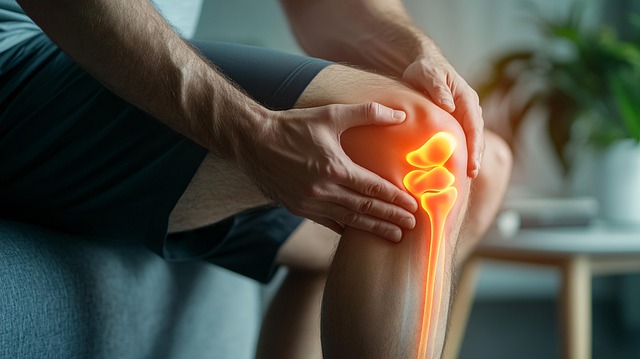
Joint wellness has been an important subject in traditional medical sciences such as Ayurveda and Unani (Hikmat) for centuries. These systems do not treat joints as isolated mechanical parts, but as living structures influenced by internal balance, nutrition, digestion, circulation, lifestyle, and environmental factors.
Table of Contents
In traditional wellness systems, joint health is understood through the balance of body functions. According to Ayurveda, Vata Dosha governs movement in the body, including muscle activity, nerve functions, breathing, and joint mobility. An imbalance in Vata due to irregular lifestyle, dry or cold foods, stress, or inadequate nourishment is traditionally believed to affect joint lubrication and contribute to stiffness. In Unani medicine (Tibb-e-Unani), joint wellness is explained through the balance of Mizaj (temperament) and Akhlat (bodily fluids). Maintaining proper Hararat (natural heat) and Rutubat (moisture) is considered important for smooth movement, while excessive Baroodat (coldness) or Yubusat (dryness) may be associated with reduced flexibility and joint discomfort.
🦴 Understanding Joint Function (Traditional View)
In traditional medical understanding, joints are part of the body’s structural framework and are closely linked with bones, muscles, ligaments, and lubricating fluids.
Healthy joint function is associated with:
- Proper internal lubrication
- Balanced movement energy
- Strong tissue nourishment
- Flexible structural support
When this balance is disturbed, traditional texts describe symptoms such as:
- Reduced flexibility
- Stiffness in movement
- Sensation of heaviness
- Difficulty in smooth motion
Rather than focusing only on symptoms, Ayurveda and Unani aim to restore the root balance of body systems.
🧘♂️ Ayurveda View on Joint Wellness
According to Ayurveda, joint wellness is mainly influenced by the state of Vata Dosha and the quality of bodily tissues known as Dhatus.
Vata is considered naturally dry, light, and mobile, and when it increases beyond balance, it may reduce natural lubrication inside joints. This is why Ayurvedic texts emphasize maintaining Snigdha (oiliness/nourishment) and Ushna (warmth) in daily life.
Traditional Ayurvedic observation suggests that joint discomfort often increases when:
- Diet is too dry or cold
- Sleep cycle is irregular
- Body is exposed to cold weather frequently
- Physical movement is either excessive or too low
To restore balance, Ayurveda emphasizes:
- Warm, nourishing food
- Oil-based external application (Abhyanga)
- Herbal formulations
- Gentle physical movement
🌙 Unani View on Joint Wellness
Unani medicine explains joint wellness through the concept of Mizaj (temperament balance) and Akhlat (body fluids).
Each person is believed to have a natural temperament, and health is maintained when this temperament remains balanced. Joint health depends on maintaining proper levels of heat (Hararat) and moisture (Rutubat) in the body.
🧾 Mini Dictionary (Simple Meanings)
Ayurveda Terms
- Vata Dosha → Energy responsible for movement
- Shleshaka Kapha → Natural lubrication in joints
- Dhatu → Body tissues
- Snigdha → Oily, nourishing quality
- Ushna → Warm quality
- Dinacharya → Daily routine
Unani Terms
- Mizaj → Body temperament
- Akhlat → Body fluids
- Hararat → Heat
- Rutubat → Moisture
- Baroodat → Coldness
- Yubusat → Dryness
- Ilaj bil Ghiza → Diet-based treatment
- Ilaj bil Tadbeer → Lifestyle/external therapy