🦵 Knee Pain Home Remedies in Ayurveda & Unani: Natural Herbal Support Guide
🌿 Introduction
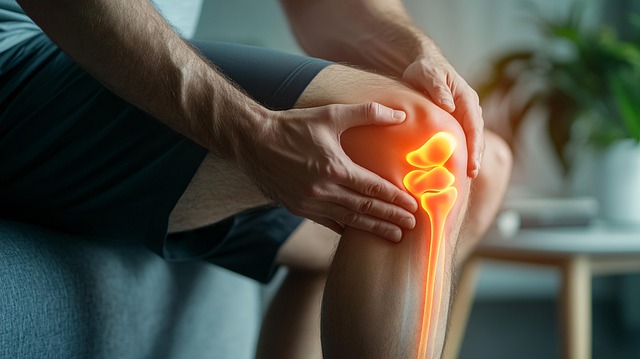
Knee discomfort has become increasingly common even at a younger age due to modern lifestyle factors such as long sitting hours, lack of movement, and poor dietary habits. In traditional systems like Ayurveda and Unani (Hikmat), joint discomfort is understood not as a single condition, but as an imbalance in the body’s natural functioning over time.
In Ayurveda, knee and joint health is closely associated with the balance of Vata dosha, which governs movement, nerves, and flexibility. When Vata becomes imbalanced, it is traditionally believed to affect joint comfort and mobility.
In Unani medicine, joint wellness is linked to the body’s Mizaj (temperament) and overall balance of internal systems. Maintaining proper diet, warmth, and lifestyle is considered essential for supporting joint comfort.
This guide explores traditional herbs, foods, and lifestyle practices that have been used for generations to support knee and joint wellness naturally.
Table of Contents
🌿 Why Knee Pain Is Increasing at a Young Age
Modern lifestyle factors play a major role in joint discomfort today:
- Long hours of sitting (office or mobile use)
- Lack of physical activity
- Excess body weight
- Poor posture
- Nutrient imbalance in diet
- Stress and irregular sleep patterns
Traditional systems emphasize that joints require movement, nourishment, and warmth to stay comfortable.
🌿 Ayurvedic View of Knee Pain
According to Ayurveda, joints are primarily governed by Vata dosha.
When Vata is imbalanced, it is traditionally associated with:
- Dryness in joints
- Stiffness
- Reduced flexibility
- Discomfort during movement
Ayurvedic care focuses on:
- Warm foods
- Herbal oils
- Gentle exercise
- Proper digestion
🌿 Unani View of Knee Pain
In Unani medicine, joint health is linked to Mizaj (body temperament) and the balance of internal humors.
Traditional Unani approach includes:
- Maintaining body warmth
- Balanced diet
- Herbal oils for external use
- Lifestyle regulation
🌿 Traditional Herbal Support for Knee Comfort
In Ayurveda and Unani traditions, herbs are usually used in small, regular quantities as part of daily lifestyle rather than high medicinal doses. Below are commonly practiced traditional usage methods.
🌱 1. Turmeric (Haldi)
Traditional use:
- ½ teaspoon turmeric powder in warm milk or water
- Once daily, often at night
Common preparation:
👉 “Turmeric milk” (Haldi Doodh)
Traditional note:
Used as part of daily wellness routine to support internal balance and comfort
🌿 2. Ginger (Adrak)
Ginger is a warming herb traditionally used to support comfort and digestion.
Traditional use:
- 1–2 small slices fresh ginger in tea or warm water
- 1–2 times daily
Alternative:
- Ginger powder: ¼ to ½ teaspoon in herbal tea
⚫ 3. Kalonji (Black Seed Oil)
Kalonji oil has been used in traditional systems for external massage.
Traditional use:
- 1/2 teaspoon seeds daily
OR - 2–3 drops of Kalonji oil with warm water or honey
External use (important):
- Mixed with carrier oil for knee massage
🌾 4. Methi (Fenugreek)
Methi seeds are traditionally used for internal balance and warming support.
Traditional use:
- 1 teaspoon seeds soaked overnight in water Drink soaked water in the morning
- OR 1/2 –1 teaspoon powder in food
🌿 5. Ajwain (Carom Seeds)
Ajwain is a warming herb traditionally used for digestion and internal balance.
Traditional use:
- 1/2 to 1 teaspoon seeds boiled in water
- Drink warm as herbal infusion once daily
🧴 Traditional Oil Massage (Abhyanga) for Knee Comfort
In Ayurveda, Abhyanga (oil massage) is a traditional self-care practice used to support joint comfort, mobility, and relaxation. It is especially recommended in cases of stiffness or dryness associated with Vata imbalance.
🌿 Commonly Used Oils (Traditional)
- Sesame oil (most commonly used)
- Mustard oil (warming nature)
- Kalonji oil (Nigella sativa oil)
- Herbal medicated oils (like Mahanarayan oil in traditional practice)
🧴 Traditional Usage Amount (Per Session)
👉 Quantity:
- 1 to 2 teaspoons of oil for both knees (small area)
- Slightly more (1–2 tablespoons total) if massaging both legs
👉 The oil should be:
- Lightly warmed (not hot)
- Applied in small, controlled quantity (not excessive)
⏱️ Duration of Massage
- 10 to 15 minutes per knee area
- Gentle circular motion is traditionally recommended
🔁 Frequency (How Often)
- 2 to 4 times per week is commonly followed in traditional practice
- Can be done daily in colder seasons or stiffness conditions (as per traditional routine)
🌿 Traditional Method
- Warm 1–2 teaspoons of oil
- Apply gently on knee joint
- Massage in circular motion for 10–15 minutes
- Allow oil to stay for at least 30–60 minutes
- Wash with warm water if needed
⚠️ Traditional Precautions
- Do not use excessive hot oil
- Avoid massage on injured or swollen joints without guidance
- Always test oil on skin before first use
- Stop if irritation occurs
🧠 Traditional Insight (Ayurveda View)
Abhyanga is believed in Ayurveda to:
- Support circulation in joints
- Help maintain flexibility
- Reduce dryness associated with Vata imbalance
- Promote relaxation and comfort
This makes HikmatVeda look like a professional herbal knowledge system, not just blog posts.
🥗 Foods That Support Joint Wellness
Traditional diet recommendations include:
- Sesame seeds
- Turmeric
- Ginger
- Dates
- Almonds
- Green leafy vegetables
- Fenugreek
These foods are traditionally considered supportive for overall body strength and balance.
🧘 Lifestyle Tips for Joint Comfort
- Maintain regular walking or light exercise
- Avoid long sitting hours
- Keep body warm in cold weather
- Maintain healthy body weight
- Get proper sleep
- Stay hydrated
⚠️ Precautions
- Use herbs in moderation
- Avoid self-medication for severe pain
- Pregnant or medical conditions require professional advice
- Discontinue use if irritation occurs
🌿 Frequently Asked Questions (FAQs)
Can Ayurveda help with knee pain?
Ayurveda traditionally supports joint wellness through herbs, oils, diet, and lifestyle practices aimed at balancing Vata dosha.
Can Kalonji oil be used for knee massage?
Yes, traditionally Kalonji oil is used externally in combination with other oils for gentle massage.
Which herbs are commonly used for joint comfort?
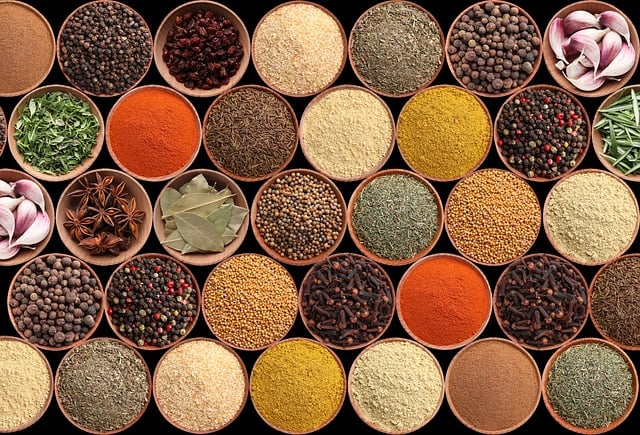
Turmeric, ginger, methi, ajwain, and kalonji are commonly used in traditional systems.
Why does knee pain increase in young people?
Mostly due to modern lifestyle factors like inactivity, sitting for long hours, and poor posture.
🌿 Related Articles (Internal Links)
- Ajwain Benefits
- Kalonji Oil Benefits
- Kalonji for Skin Wellness
- Kalonji for Hair Care
- Saunf Benefits
- Methi Benefits
- Turmeric Uses
📚 References
- Classical Ayurveda texts (Charaka Samhita, Sushruta Samhita)
- Traditional Unani (Hikmat) literature
- Ethnobotanical studies on medicinal herbs
- Traditional household herbal practices