
Ajwain Tea Benefits: Traditional Uses, Preparation, Ayurveda & Unani Guide
🌿Introduction
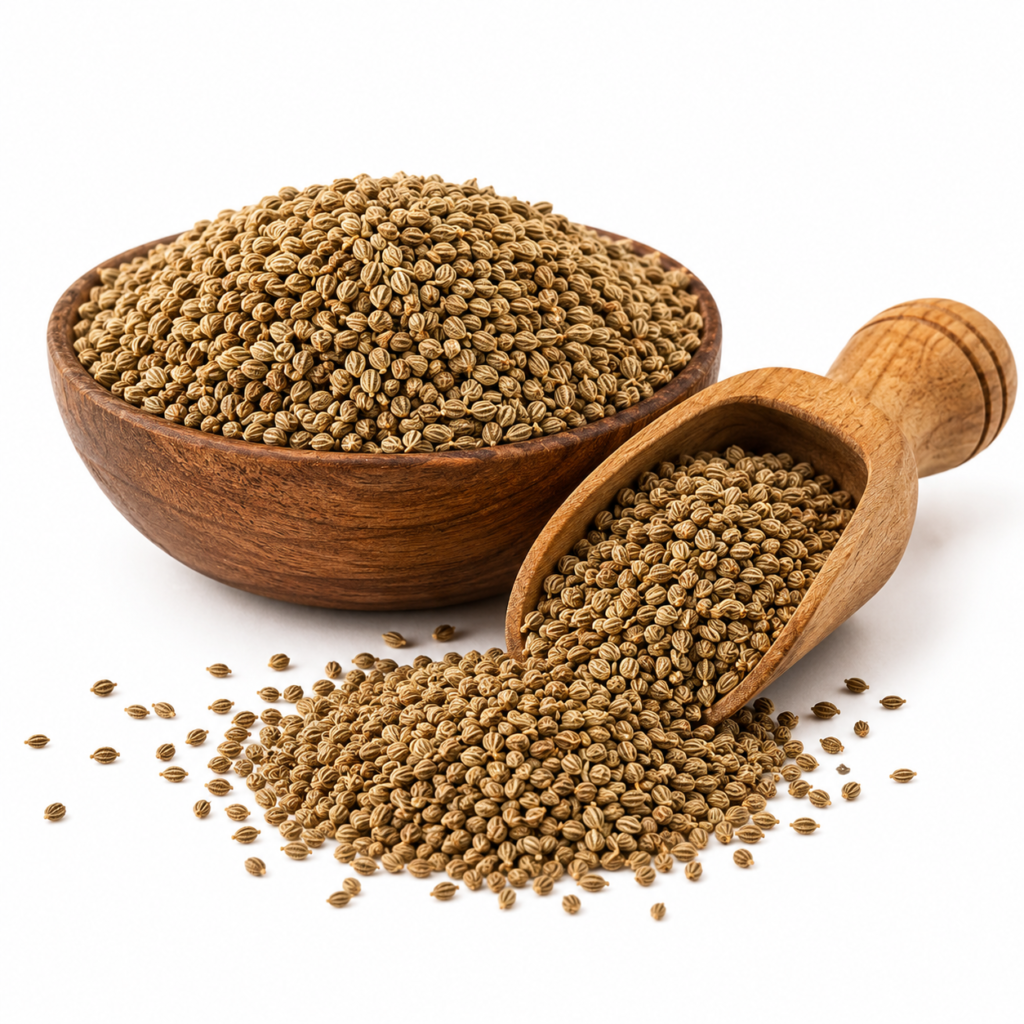
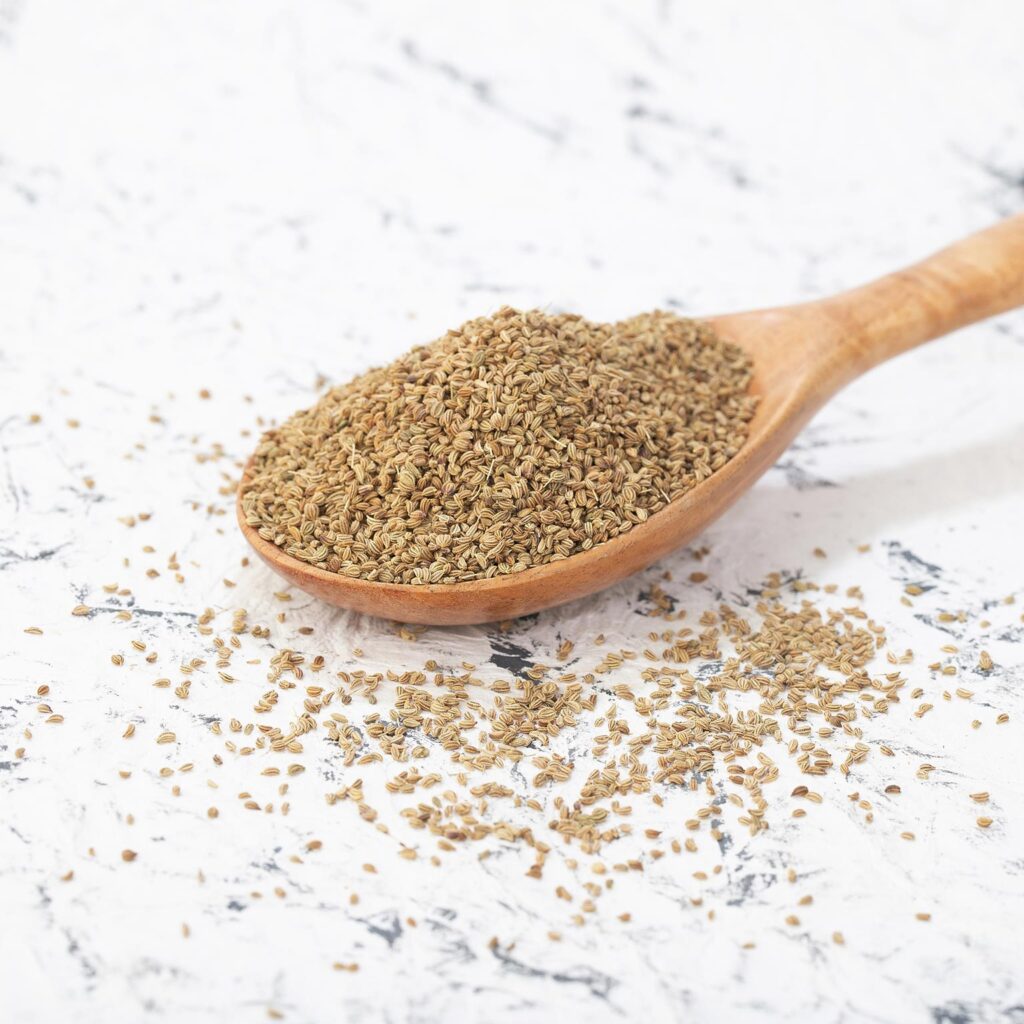
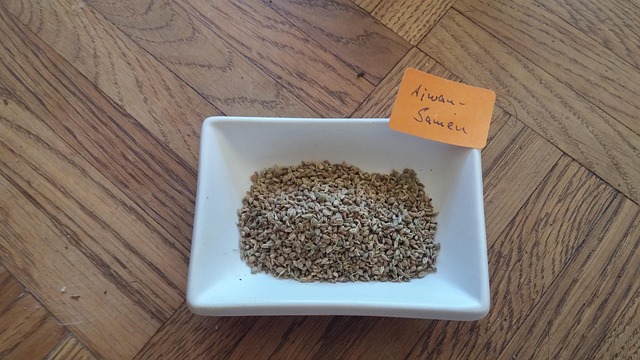
Ajwain tea is a traditional herbal drink prepared by boiling Ajwain (Carom Seeds) in water. For generations, it has been consumed in many households as part of daily wellness routines, particularly after meals or during seasonal changes. In both Ayurveda and Unani (Hikmat), Ajwain is valued for its warming nature and its traditional role in supporting digestion and overall well-being.
Ajwain contains naturally occurring aromatic compounds, including thymol, which give the seeds their distinctive flavor and aroma. Drinking Ajwain tea is a simple way to include this traditional herb in a balanced lifestyle. While modern research continues to explore its properties, its use remains deeply rooted in centuries of traditional herbal knowledge.
Table of Contents
🌿 Ajwain Tea in Ayurveda
According to Ayurveda, Ajwain possesses warming qualities and is traditionally used to support Vata and Kapha balance when consumed appropriately. Herbal teas prepared from Ajwain are often included in wellness routines to support healthy digestion and maintain the body’s natural digestive fire (Agni).
🌿 Ajwain Tea in Unani Medicine
In the Unani system of medicine, Ajwain is considered to have a Hot and Dry (Haar Yabis) temperament. Hakims have traditionally recommended Ajwain preparations to support digestion, maintain respiratory comfort, and promote general wellness as part of a balanced lifestyle.
🌿 Traditional Benefits of Ajwain Tea
🌱 1. Supports Healthy Digestion
Ajwain tea has traditionally been consumed after meals to support comfortable digestion. It is commonly used to promote digestive balance and maintain a healthy appetite.
🌬️ 2. May Help Reduce Occasional Gas and Bloating
Traditional household remedies often include Ajwain tea to support digestive comfort after heavy meals and help reduce occasional feelings of gas or bloating.
🔥 3. Supports Healthy Digestive Fire (Agni)
Ayurveda considers healthy digestion essential for overall wellness. Ajwain tea is traditionally used to help maintain digestive efficiency and support normal metabolic function.
🌿 4. Supports Seasonal Wellness
During seasonal changes, warm herbal drinks such as Ajwain tea are traditionally consumed to help maintain general comfort and overall wellness.
❤️ 5. Supports Daily Wellness
When enjoyed in moderation as part of a balanced lifestyle, Ajwain tea can be a comforting herbal beverage that complements everyday wellness routines.
🌿 How to Prepare Ajwain Tea
Ingredients
- 1 teaspoon Ajwain (Carom Seeds)
- 1½–2 cups of water
Preparation
- Add water to a pan and bring it to a boil.
- Add the Ajwain seeds.
- Simmer for 5–10 minutes.
- Strain the tea into a cup.
- Drink it warm.
Optional: You may add a small amount of honey after the tea has cooled slightly. Avoid adding honey to boiling-hot tea
🌿 Best Time to Drink Ajwain Tea
Traditionally, Ajwain tea is consumed:
- After meals
- In the morning as part of a wellness routine
- During cooler weather
- Occasionally after heavy or rich meals
🌿 Traditional Nutritional Components
- Thymol (essential oil)
- Dietary fiber
- Calcium
- Iron
- Phosphorus
- Antioxidants Volatile aromatic compounds
🌿 Precautions
- Consume in moderation.
- Individuals who are pregnant, breastfeeding, or have existing medical conditions should seek advice from a qualified healthcare professional before regular use.
- If you experience discomfort after consuming Ajwain tea, discontinue use and consult a healthcare professional.
🌿 Frequently Asked Questions (FAQs)
Can Ajwain tea be consumed daily ?
Traditionally, Ajwain tea is consumed in moderation as part of a balanced diet and healthy lifestyle.
What is the best time to drink Ajwain tea ?
It is commonly enjoyed after meals or in the morning, depending on individual preference and traditional practice.
Can I add honey to Ajwain tea ?
Yes. Traditionally, a small amount of honey may be added after the tea has cooled slightly.
Is Ajwain tea the same as Ajwain water ?
No. Ajwain tea is prepared by boiling the seeds, whereas Ajwain water is usually made by soaking the seeds overnight or by a shorter infusion, depending on the traditional preparation.
How much Ajwain should I use ?
A common traditional preparation uses about 1 teaspoon of Ajwain seeds for 1-1/2 –2 cups of water.
🌿 Related Articles
- Ajwain (Carom Seeds): Complete Guide
- Ajwain Water Benefits
- Ajwain Benefits
- Saunf (Fennel): Complete Guide
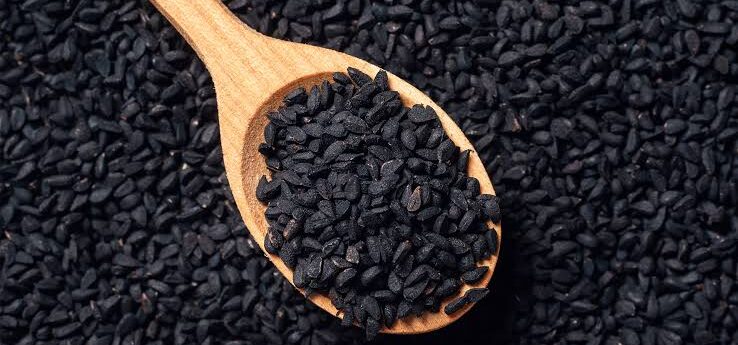
- Kalonji (Nigella sativa): Complete Guide
📚 References
- Classical Ayurvedic literature, including Charaka Samhita and Sushruta Samhita
- Traditional Unani (Hikmat) principles and herbal literature
- Ethnobotanical studies on Trachyspermum ammi
- Historical use of Ajwain in South Asian and Middle Eastern traditional medicine