
🌿Saunf (Fennel Seeds): Benefits, Uses, Nutrition, Ayurveda & Unani Complete Guide
🌿 Introduction
Saunf (Foeniculum vulgare), commonly known as Fennel Seeds, is one of the oldest and most widely used medicinal herbs in traditional healing systems such as Ayurveda (Vedic medicine) and Unani (Hakimi medicine). It has been valued for centuries not only as a culinary spice but also as a natural herb used for daily wellness and digestive support.
In ancient Vedic Ayurvedic tradition, Saunf was considered a cooling and balancing herb that supports digestion and helps maintain harmony within the body. Ayurvedic practitioners often recommended it after meals to support Agni (digestive fire) and to maintain internal freshness. It was also used in herbal formulations for balancing excess heat in the body.
In Unani medicine, Saunf is classified as a Mildly Warm and Moist (Moderate Mizaj) herb. Hakims traditionally used fennel seeds to support digestion, improve appetite, and maintain internal balance. It was commonly included in herbal mixtures and home remedies for both digestive comfort and respiratory wellness.
Saunf is native to the Mediterranean region but is now widely cultivated across India, the Middle East, and Europe. The plant produces small greenish seeds that carry a sweet, aromatic flavor due to their natural essential oils. These seeds have been used for thousands of years in traditional medicine systems, making Saunf a key herb in both historical and modern herbal practices.
🌿 Botanical Information
- Scientific Name: Foeniculum vulgare
- Common Name: Saunf, Fennel Seeds
- Family: Apiaceae
- Plant Type: Perennial herb
- Parts Used: Seeds, leaves, stems
- Origin: Mediterranean region
🌿 Cultivation & Natural Habitat
Saunf grows best in warm, sunny climates and well-drained soil. It is widely cultivated in India, especially in regions like Gujarat and Rajasthan.
- Requires moderate rainfall
- Grows in temperate to warm climates
- Harvested when seeds mature and turn greenish-brown
- The plant can grow up to 2 meters in height
- Strong aromatic oils develop during seed formation
The natural environment plays an important role in developing the essential oils that give Saunf its medicinal aroma and traditional value.
🌿 Nutritional Profile of Saunf
Saunf is naturally rich in nutrients and bioactive compounds.
- Dietary fiber
- Calcium
- Iron
- Magnesium
- Potassium
- Manganese
- Vitamin C
- Small amounts of protein
- Essential oils
These nutrients support its traditional use in wellness and dietary practices.
🌿 Active Plant Compounds
Saunf contains several key bioactive compounds responsible for its aroma and traditional benefits.
- Anethole (main active compound) Fenchone
- Estragole
- Flavonoids
- Polyphenols
- Volatile essential oils
These compounds contribute to Saunf’s digestive and aromatic properties in traditional medicine systems
🌿 How Saunf Develops Its Medicinal Properties
The medicinal value of Saunf is not accidental—it develops naturally during plant growth Under its habitat
- The plant produces essential oils as a defense mechanism against insects and environmental stress.
- Sunlight exposure increases aromatic compound concentration.
- Soil nutrients influence oil quality and seed potency.
- As seeds mature, compounds like anethole increase, enhancing aroma and traditional therapeutic value.
- Drying the seeds helps preserve volatile oils, making them more stable for long-term use.
This natural biochemical process is why Saunf has been valued in both Ayurveda and Unani systems for centuries
🌿 Saunf (Fennel Seeds): Benefits, Uses, Nutrition, Ayurveda & Unani Guide
🌿 Saunf in Ayurveda
In Ayurveda, Saunf (Fennel Seeds) is considered a highly valuable herb known for its cooling, digestive, and balancing properties. It has been used for centuries in traditional Ayurvedic formulations and daily wellness routines
🌱 Ayurvedic Properties of Saunf
- Rasa (Taste): Sweet, slightly pungent
- Guna (Quality): Light, unctuous (slightly oily)
- Virya (Potency): Cooling
- Vipaka (Post-digestive effect): Sweet
🌿 Dosha Balancing Effect
Saunf is known to balance:
- Vata Dosha → helps calm digestive irregularity and gas
- Pitta Dosha → reduces excess heat, acidity, and burning sensation
- Kapha Dosha → helps reduce heaviness when used properly
👉 This makes Saunf a tridoshic herb (balanced for all body types) when used in moderation.
🌿 Ayurvedic Traditional Uses
- Supports Agni (digestive fire)
- Helps maintain fresh breath (oral hygiene support)
- Traditionally used after meals for digestive comfort
- Used in herbal teas to support internal cooling
- Included in Ayurvedic formulations for women’s wellness support
🌿 Saunf in Unani (Hakimi Medicine)
In Unani medicine, Saunf (Fennel Seeds) is classified based on its Mizaj (temperament)
🌱 Unani Temperament:
- Mizaj: Hot & dry in mild degree (some texts describe balanced warm effect)
🌿 Unani Traditional Uses
Hakims have traditionally used Saunf for
- Improve Hazm (digestion process)
- Reduce gas formation (riyaah)
- Support stomach comfort and strength
- Balance internal body heat gently
🌿 How Saunf Traditionally Supports Body Systems
Saunf is not limited to digestion — it is a multi-system herbal support seed in traditional medicine systems.
🍃 1. Digestive System
- Helps support smooth digestion
- Reduces occasional gas and bloating
- Supports appetite regulation
- Helps maintain gut comfort after meals
🌬️ 2. Respiratory System
- Traditionally used to support breathing comfort
- Helps reduce internal dryness Used in herbal teas for seasonal wellness
💧 3. Urinary System
- Traditionally believed to support natural detox functions Helps maintain urinary comfort and balance
👩 4. Women’s Wellness (Traditional Use)
- Used in traditional systems for monthly comfort support
- Helps maintain digestive ease during hormonal changes
- Often used in herbal blends for overall balance
❤️ 5. General Vitality & Metabolism
- Supports natural metabolism
- Helps maintain lightness in the body
- Traditionally used after heavy meals for balance
Saunf (Fennel Seeds): Benefits, Uses, Nutrition, Ayurveda & Unani Guide
🌿 Traditional Health Benefits of Saunf
Saunf (Fennel Seeds) has been used in traditional Ayurveda and Unani medicine for centuries as a daily wellness herb. Its natural aroma, cooling effect, and digestive properties make it one of the most commonly used household remedies.
🍃 1. Supports Digestive Comfort
Saunf is traditionally known for its role in maintaining digestive balance. It is commonly used after meals to support
- Natural digestion process
- Reduction of heaviness after eating
- Relief from occasional gas and bloating
- Comfortable appetite balance
🌿 2. Helps Maintain Fresh Breath
One of the most common traditional uses of Saunf is as a natural mouth freshener
- Chewed after meals
- Helps reduce bad breath naturally
- Supports oral freshness without chemicals
🌬️ 3. Supports Cooling Effect in the Body
In Ayurveda, Saunf is considered a cooling herb. It is traditionally used to help
- Balance internal heat
- Provide a soothing effect during hot weather
- Support comfort in summer season
💧 4. Traditional Metabolism Support
Saunf is believed to gently support the body’s natural metabolic processes
- Helps maintain lightness after meals
- Supports natural digestive rhythm
- Used in herbal teas for daily wellness
🌸 5. General Daily Wellness Herb
In many households, Saunf is used as a simple daily herb for:
- Post-meal chewing
- Herbal drinks
- Traditional home remedies
- Seasonal wellness support
🌿 How to Use Saunf
Saunf can be used in multiple traditional ways depending on purpose and preference.
🌱 1. Raw Seeds (Chewing Method)
- Take 1/2 to 1 teaspoon after meals
- Chew slowly for freshness and digestion support
- Most common traditional method
🍵 2. Saunf Tea
Preparation
- Boil 1 teaspoon Saunf in 1 cup water
- Simmer for 5–7 minutes
- Strain and drink warm
Traditional use
- Used for digestive comfort
- Often consumed after heavy meal
💧 3. Saunf Water
Preparation
- Soak 1–2 teaspoons Saunf overnight in water
- Drink in the morning
Traditional belief
- Used for gentle daily detox support
- Helps maintain internal balance
🌿 4. Powder Form
- Dried Saunf seeds ground into powder
- Used in herbal mixtures
- Sometimes mixed with other herbs in traditional formulation
🍽️ 5. Cooking Ingredient
- Used in Indian cooking for flavor
- Added to curries, breads, and spice mixes
- Enhances taste and digestion support
🌿 Saunf Water Benefits (Traditional Use)
Saunf water is widely used in traditional wellness practices, It is believed to:
- Support digestive comfort
- Help maintain hydration balance
- Provide mild cooling effect
- Support morning wellness routine
🌿 Saunf Tea Benefits (Traditional Use)
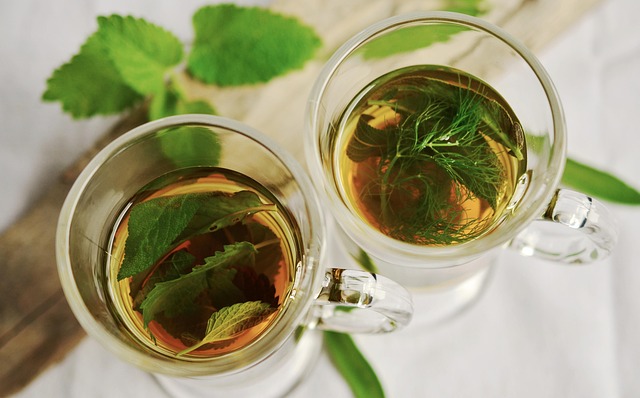
Saunf tea is a gentle herbal drink used in traditional systems.
- Helps support digestion after meals
- Provides soothing effect on stomach
- Used as a daily wellness beverage
- Light and aromatic herbal drink
🌿 Dosage (Traditional Use)
- Raw seeds: ½ to 1 teaspoon daily
- Tea: 1–2 cups per day
- Water infusion: 1 glass in morning
👉 Use in moderation as part of a balanced diet.
🌿 Precautions
- Avoid excessive consumption
- Sensitive individuals should start with small amounts
- Pregnant or medical conditions: consult professional advice
- Do not rely on herbs as medical treatment
🌿 Possible Side Effects (if overused)
Excess intake may cause:
- Mild stomach discomfort
- Overcooling effect in sensitive individuals
- Digestive imbalance in rare cases
🌿 Saunf (Fennel Seeds): Benefits, Uses, Nutrition, Ayurveda & Unani Guide
🌿 Frequently Asked Questions (FAQs)
1.What is Saunf (Fennel Seeds) ?
Saunf, also known as fennel seeds, is a traditional aromatic herb used in Ayurveda and Unani medicine for digestion and daily wellness support.
2.Can Saunf be taken daily ?
Yes, Saunf is commonly used in small amounts daily in traditional practice, especially after meals.
3.What is the best time to consume Saunf ?.
The best time is:
- After meals
- Morning (Saunf water)
- Before bedtime in small quantity if needed
4.Is Saunf good for digestion ?
Traditionally, Saunf is used to support healthy digestion and reduce occasional heaviness after meals.
5.Can Saunf help with bad breath ?
Yes, Saunf is widely used as a natural mouth freshener in traditional households.
6. Is Saunf cooling or heating in nature?
In Ayurveda, Saunf is considered a cooling herb that helps balance internal heat.
7.Can pregnant women consume Saunf ?
In traditional use, it is used in small amounts, but professional medical advice is always recommended.
8.Does Saunf help in weight management ?
Saunf is traditionally believed to support digestion and metabolism, which may help maintain healthy body balance
9.Can Saunf be used in tea ?
Yes, Saunf tea is a popular herbal drink used for digestive comfort and relaxation.
10.What are the side effects of Saunf ?
Excess consumption may cause mild stomach discomfort or imbalance in sensitive individuals.
11. Is Saunf safe for children ?
Yes, in small amounts traditionally, but proper guidance is recommended for regular use.
12.Can Saunf be mixed with other herbs ?
Yes, it is often combined with Ajwain, Cumin (Jeera), and Ginger in traditional remedies.
13.Is Saunf scientifically proven ?
Some modern studies support its antioxidant and digestive properties, but most benefits are based on traditional use.
14. Can Saunf be used for skin health ?
Traditionally, Saunf water is believed to support internal cleansing which may reflect in skin health.
15.What is Saunf water used for ?
Saunf water is commonly used for morning hydration and digestive wellness support.
🌿 References (Traditional Knowledge Sources)
- Ayurvedic classical texts (Charaka Samhita, Sushruta Samhita)
- Unani traditional herbal medicine references
- Ethnobotanical studies on Foeniculum vulgare T
- raditional household practices in Indian herbal medicine.