
🌿Kalonji (Nigella sativa): Benefits, Uses, Nutrition, Ayurveda & Unani Guide
Ajwain (Trachyspermum ammi), commonly known as Carom Seeds, is one of the oldest and most widely used medicinal herbs in the traditional systems of Ayurveda (Vedic medicine) and Unani (Hakimi medicine). This small but powerful aromatic seed has been an essential part of ancient healing practices, culinary traditions, and household remedies for thousands of years.
Historically, Ajwain holds a significant place in classical herbal medicine systems of India, Persia, and the Middle East, where it was cultivated not only as a spice but also as a trusted medicinal herb. In early Ayurvedic texts, Ajwain was described as a warming herb (Ushna Veerya) that supports the body’s natural digestive fire, known as Agni, which is considered essential for maintaining balance, metabolism, and overall vitality. Vedic healers traditionally used it in herbal preparations, digestive formulations, and seasonal wellness practices to help maintain internal harmony.
In the Unani system of medicine, developed and preserved by ancient Hakims, Ajwain is classified as a Hot and Dry (Haar Yabis) herb based on the concept of Mizaj (temperament). Hakims traditionally recommended it in formulations aimed at supporting digestion, reducing internal heaviness, and maintaining respiratory and metabolic balance. Because of its strong aroma and warming nature, it was widely used in herbal mixtures and traditional remedies across classical Unani practice.
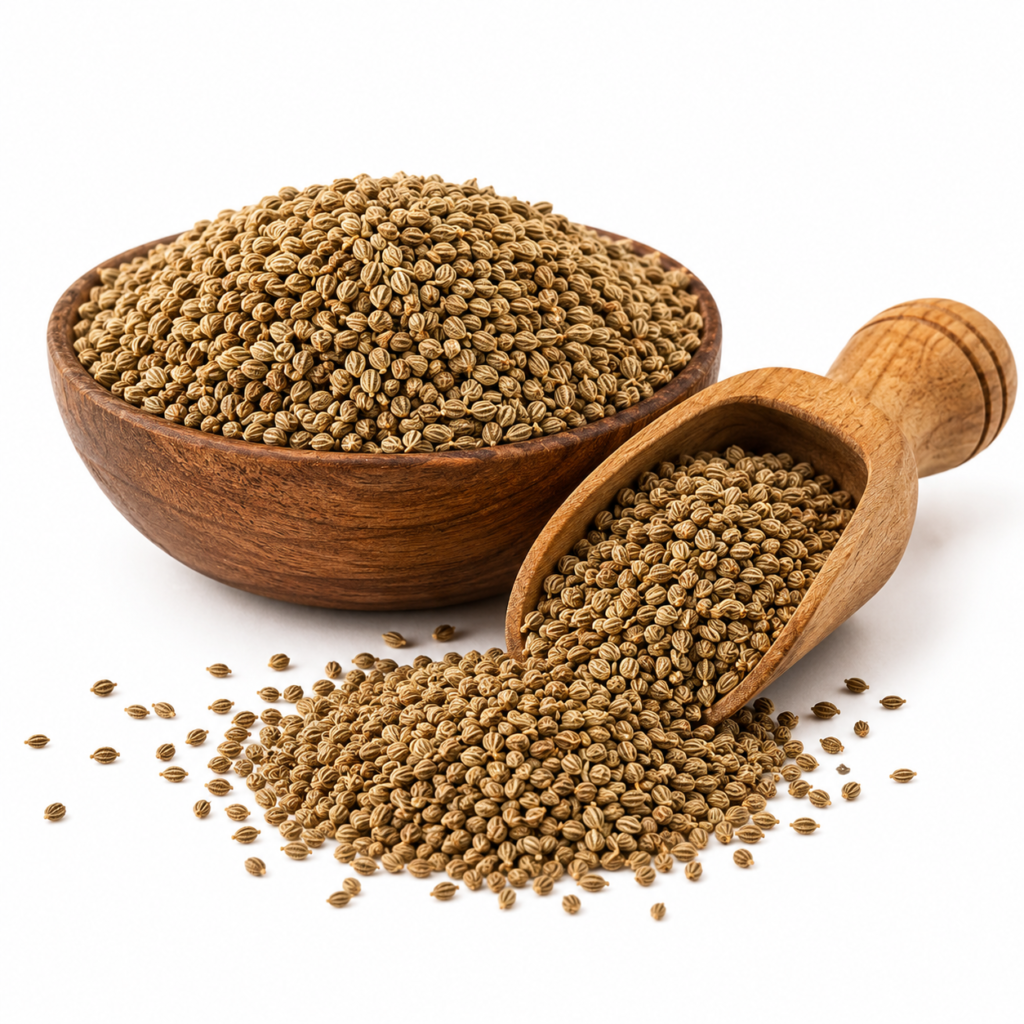
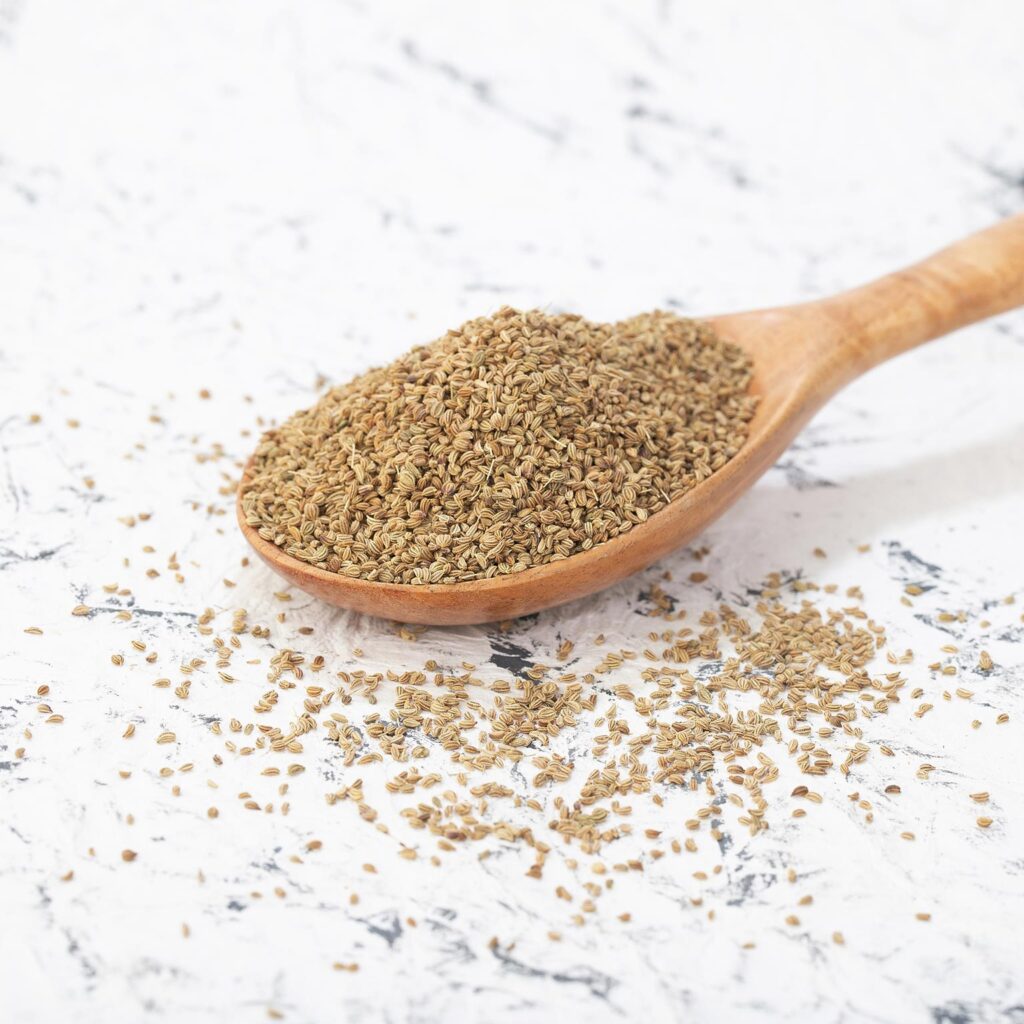
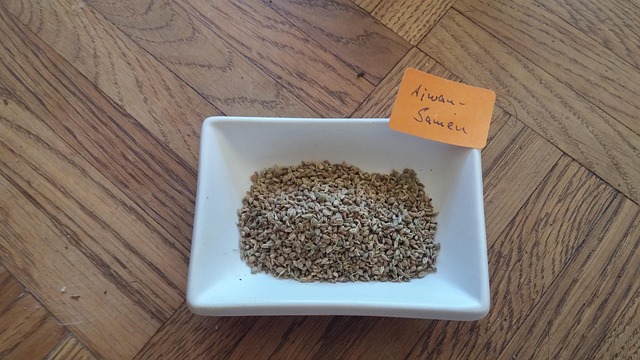
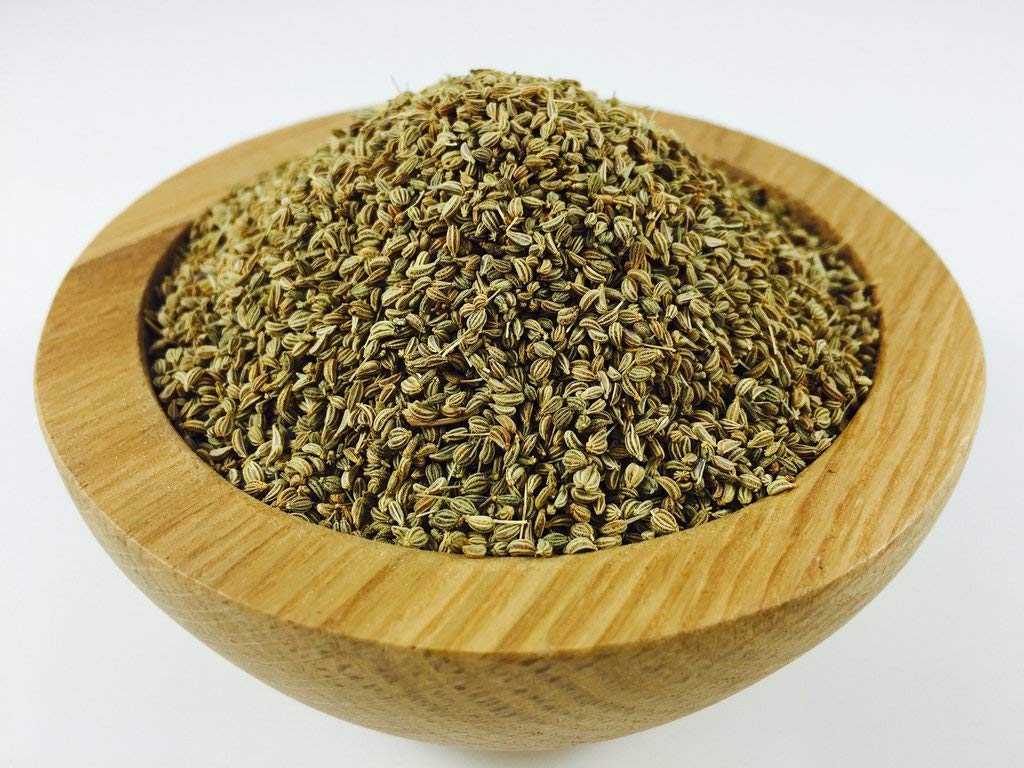
From a botanical perspective, Ajwain belongs to the Apiaceae family and is derived from a small herb that produces tiny oval-shaped seeds. These seeds contain essential oils, particularly thymol, which is responsible for its strong fragrance and long-standing use in traditional medicine systems. The natural composition of Ajwain has made it a valuable ingredient in both culinary applications and herbal wellness traditions.
Over centuries, Ajwain has remained a bridge between ancient Vedic wisdom and Unani Hakimi healing practices, symbolizing the shared understanding of nature-based wellness across traditional medical systems. Even today, it continues to be used in households and herbal formulations as part of natural approaches to digestive and overall well-being.
Botanical Information
- Scientific Name: Trachyspermum ammi
- Common Names: Ajwain, Carom Seeds, Bishop’s Weed
- Family: Apiaceae
- Part Used: Seeds (dried fruits)
- Origin: India, Middle East
Nutritional Value
Ajwain contains important nutrients and natural compounds:
- Dietary fiber
- Protein and essential oils
- Thymol (key active compound)
- Carvacrol & Calcium
- Calcium
- Iron & Magnesium
- Phosphorus and Potassium
- Antioxidants
These components support its traditional role in wellness practices.
Key Active Compounds
- Thymol: Supports digestive and aromatic properties
- Carvacrol: Natural antioxidant compound
- Pinene: Supports respiratory aroma activity
- Terpinene: Plant defense compound
- Flavonoids: Natural antioxidants
How Ajwain Supports Body Organs and Overall Wellness
Ajwain is traditionally valued because it supports the natural functioning of multiple body systems, mainly through its impact on digestion and internal balance.
Digestive System
- Supports healthy digestion
- Helps reduce heaviness after meals
- Supports natural gut movement
- Promotes digestive comfort
Metabolic System
- Supports natural metabolism
- Helps the body process food efficiently
- Maintains internal energy balance
Respiratory System
- Traditionally supports breathing comfort
- Helps maintain seasonal respiratory balance
- Used in herbal formulations for cold weather support
Circulatory & Vitality Support
- Supports natural warmth in the body
- Promotes vitality and energy flow
- Traditionally linked with internal activation
Detox & Internal Balance (Traditional View)
- Supports natural cleansing through digestion
- Helps reduce internal heaviness (Ama concept in Ayurveda)
- Maintains internal harmony
Ajwain in Ayurveda
In Ayurveda, Ajwain is considered Ushna (warming) in nature and is believed to stimulate Agni (digestive fire).
Ayurvedic effects
- Balances Vata and Kapha doshas
- Supports digestion and appetite
- Reduces heaviness after meals
- Supports seasonal balance
Ajwain in Unani Medicine
In Unani (Hakimi system), Ajwain is classified as Hot and Dry (Haar Yabis)
Traditional Health Benefits
- Supports digestion and gut comfort
- Helps reduce post-meal heaviness
- Supports metabolism naturally
- Assists respiratory comfort in seasonal changes
- Supports appetite balance
- Promotes overall vitality
How to Use Ajwain
- Warm water infusion
- Herbal tea preparation
- Used in cooking (curries, breads)
- Mixed with black salt for digestion
- Traditional household remedies
Ajwain Water
Ajwain water is prepared by soaking or boiling seeds in warm water. It is traditionally consumed in small amounts after meals for digestive comfort.
Recommended Dosage
- 1/2 to 1 teaspoon (2–5 grams) daily
- 1 cup infusion after meals (occasional use
Precautions
- Avoid excessive use
- Pregnant or breastfeeding women should consult experts
- People on medication should seek advice
- Stop if allergic reaction occurs
- Not a medical treatment
Possible Side Effects
- Mild stomach irritation (rare)
- Acidity in sensitive individuals
- Burning sensation if overused
Frequantly asked questions ( FAQs)
What is Ajwain used for ?
Traditionally used for digestion, metabolism, and general wellness
Can Ajwain be taken daily ?
Yes, in small culinary amounts
Is Ajwain same as cumin ?
No, both are different seeds with different properties.
Conclusion
Ajwain is a highly valued traditional herb in Ayurveda and Unani medicine, known for its warming nature and digestive-supporting properties. Rich in natural compounds like thymol, it has been used for centuries in food and traditional wellness systems. When used appropriately, Ajwain remains an important part of natural dietary and herbal practices.